
Which Allergen Was Recently Added to the Big 9? Sesame & the FASTER Act Explained
Sesame became the ninth major food allergen on January 1, 2023, when the FASTER Act (Food Allergy Safety, Treatment, Education, and Research Act) went into effect. This marked the first time in 15 years that a new allergen was added to the federal mandatory disclosure list, expanding the "Big 8" to the "Big 9."
If you work in food manufacturing, restaurant management, or food service, understanding this regulatory change is essential for compliance and customer safety.

The FASTER Act: What Changed and When
The FASTER Act of 2021 was signed into law by President Biden on April 23, 2021, with an 18-month implementation period before enforcement began.
Key FASTER Act Timeline
- April 23, 2021FASTER Act signed into law
- January 1, 2023Sesame labeling requirements take effect
- 2023-2026FDA enforcement and compliance period
- OngoingResearch funding and updated guidance development
The law requires that packaged food manufacturers clearly identify sesame on product labels using the same standards applied to the other eight major allergens under FALCPA (Food Allergen Labeling and Consumer Protection Act).
Why Was Sesame Added?
Sesame's addition to the major allergen list reflects growing recognition of its prevalence and severity as an allergen. Research and advocacy efforts revealed compelling data:
Prevalence Statistics
- Approximately 1.6 million Americans have sesame allergies
- Includes 500,000 children affected nationwide
- Sesame allergy prevalence has tripled among U.S. children since 2008
- Ranks as the 9th most common food allergen in the U.S.
Severity of Reactions
- Can trigger severe anaphylactic reactions requiring emergency intervention
- Sesame allergies tend to be persistent (not commonly outgrown)
- Reactions can occur from extremely small amounts of exposure
- Cross-contact in food manufacturing poses significant risks
Common Sources of Sesame: What to Watch For
Sesame appears in more foods than many people realize, making proper labeling and disclosure critical:
Obvious Sesame Sources
- • Sesame seeds (on buns, bagels, crackers)
- • Tahini (sesame seed paste used in hummus)
- • Sesame oil (used in cooking and dressings)
- • Halva (Middle Eastern sesame candy)
Hidden Sesame Sources
- • Baked goods and breadings
- • Spice blends (including za'atar)
- • Protein and energy bars
- • Sauces and marinades (teriyaki, some BBQ)
- • Vegetarian burgers and meat alternatives
- • Dips and spreads beyond hummus
Label Aliases for Sesame
Watch for these alternative names that indicate sesame content:
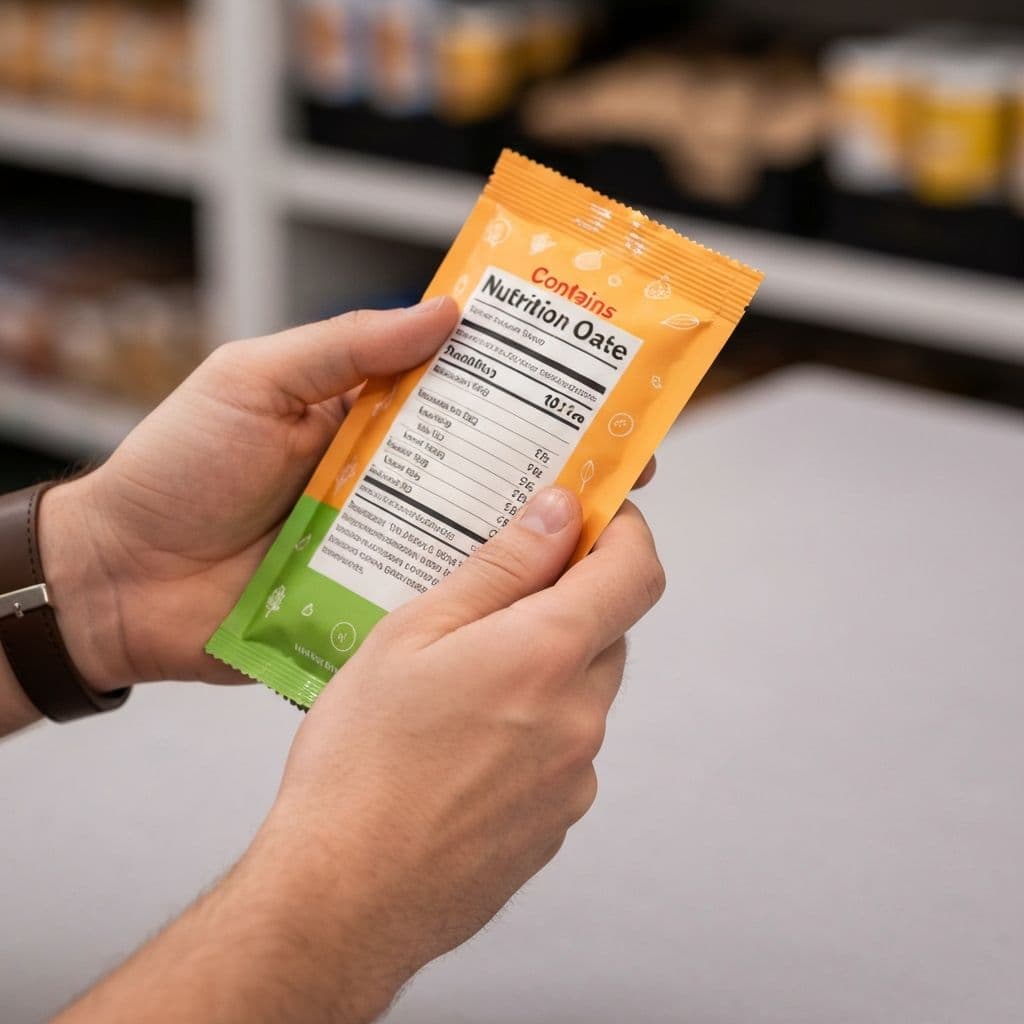
FASTER Act Requirements: What Food Manufacturers Must Do
The FASTER Act established clear labeling requirements for any food product containing sesame:
Mandatory Labeling Methods
1. List in ingredients
Include "sesame" in the ingredient list with clear identification
Example: "Contains: sesame flour"
2. "Contains" statement
Add sesame to the allergen disclosure statement
Example: "Contains: Wheat, Soy, Sesame"
3. Parenthetical notation
Identify sesame-derived ingredients
Example: "Tahini (sesame)"
Products Covered
- • All FDA-regulated packaged foods
- • Dietary supplements containing sesame
- • Products manufactured after January 1, 2023
Products NOT Covered
- • Meat, poultry, egg products (USDA-regulated)
- • Restaurants and food service establishments
- • Alcoholic beverages
Impact on Restaurants and Food Service
While the FASTER Act technically applies only to packaged foods, it has important implications for restaurants:
Best Practices for Food Service
- Update allergen awareness training to include sesame as the ninth major allergen
- Review menu items for sesame-containing ingredients
- Communicate with suppliers to understand which products contain sesame
- Implement cross-contact prevention (separate prep areas, dedicated utensils)
- Prepare for state-level regulations that may require menu disclosure
State Regulations to Watch
- California's ADDE Menu Act: Requires chain restaurants (20+ locations) to disclose all Big 9 allergens, including sesame, on menus by January 2027
- Massachusetts, Rhode Island, and Michigan have introduced similar legislation
- More states are expected to follow this trend
Quick Reference: Sesame Allergy Facts
| Category | Information |
|---|---|
| Prevalence | 1.6 million Americans (~0.5% of population) |
| Pediatric cases | 500,000 children affected |
| Typical onset | Can develop in childhood or adulthood |
| Persistence | Usually lifelong (not commonly outgrown) |
| Reaction severity | Can cause anaphylaxis; reactions from trace amounts |
| Cross-reactivity | Some react to other seeds (poppy, sunflower), but not universal |
| Official recognition | 9th major allergen as of January 1, 2023 |
What's Next for Allergen Regulations?
The FASTER Act represents a significant step forward in food allergy protection, but advocacy continues:
Future Considerations
- 1Additional allergens under review: Mustard and lupin (already recognized in Canada and the EU) are being evaluated for potential addition to the U.S. list
- 2Restaurant disclosure expansion: More states are expected to pass laws requiring allergen menu labeling
- 3Improved labeling clarity: The FDA is developing guidance on "precautionary allergen labeling" (statements like "may contain")
- 4Increased enforcement: Regulatory agencies are conducting more focused allergen compliance inspections
Research Funding
The FASTER Act allocated $25 million over five years for food allergy research, which may lead to better understanding of other emerging allergens and improved treatment options.
The Bottom Line
Sesame is the newest major food allergen, officially added to the Big 9 list on January 1, 2023, through the FASTER Act. This change reflects the growing recognition that approximately 1.6 million Americans—including half a million children—have sesame allergies that can cause severe, life-threatening reactions.
For food manufacturers, this means mandatory sesame labeling on all packaged foods. For restaurants and food service operations, it means updating training, reviewing ingredients, and preparing for potential state-level menu disclosure requirements.
The addition of sesame after 15 years demonstrates that allergen regulations evolve based on medical data and public health needs. Food service professionals should stay informed about regulatory changes and maintain robust allergen management programs that can adapt to future updates.