There are nine major food allergens recognized by U.S. federal law, commonly known as the "Big 9 allergens." These nine foods are responsible for more than 90% of all food allergy reactions in the United States and must be clearly disclosed on packaged food labels.
If you work in food service, handle food professionally, or simply want to understand food allergies better, knowing these nine allergens is essential for protecting public health and ensuring regulatory compliance.
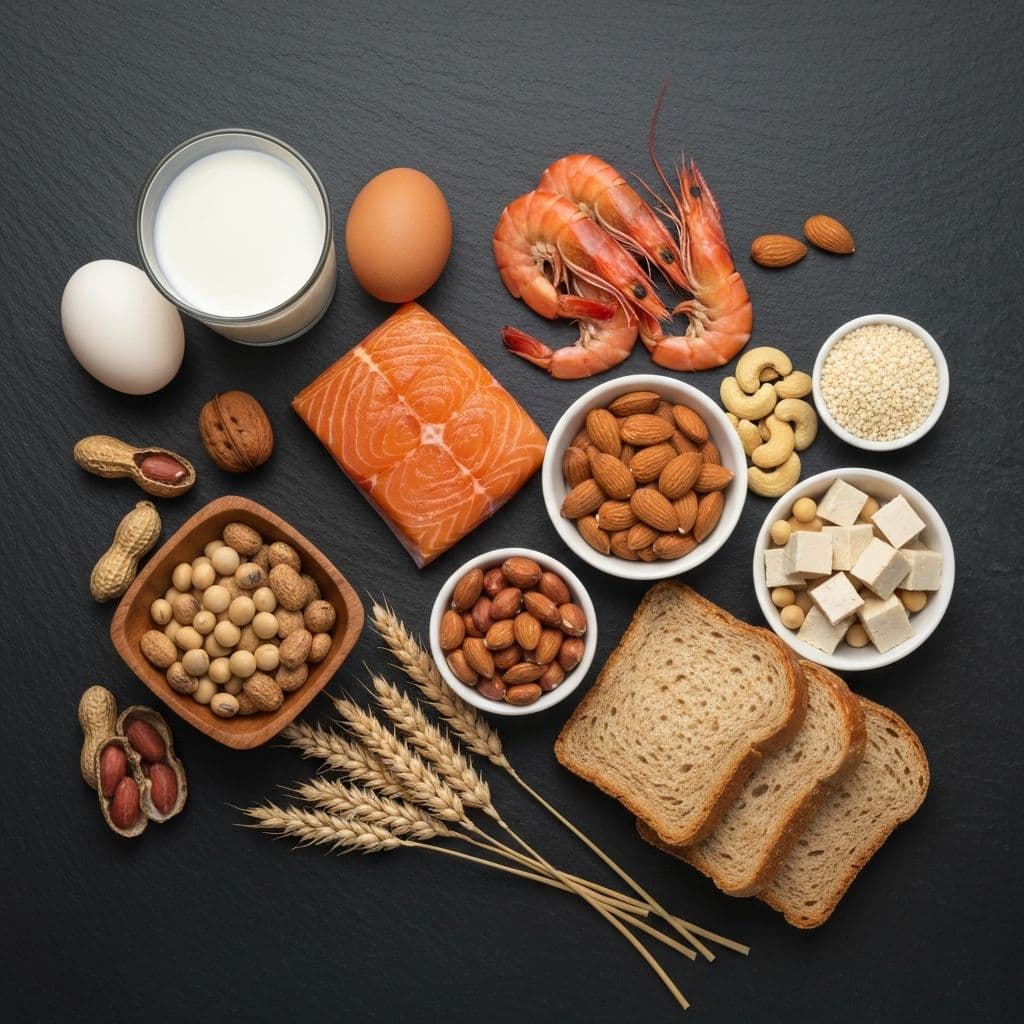
What Are the Big 9 Food Allergens?
The nine major food allergens required to be labeled under federal law are:
1. Milk
All dairy products including butter, cheese, yogurt, and cream
2. Eggs
Found in baked goods, mayonnaise, pasta, and many processed foods
3. Fish
Including bass, cod, flounder, salmon, and all finned fish species
4. Crustacean Shellfish
Crab, lobster, shrimp, prawns, and crayfish
5. Tree Nuts
Almonds, cashews, walnuts, pecans, hazelnuts, and other tree-grown nuts
6. Peanuts
Technically a legume, not a true nut, but one of the most common severe allergens
7. Wheat
Found in bread, pasta, cereals, and countless processed foods
8. Soybeans
Present in soy sauce, tofu, and extensively used in food manufacturing
9. Sesame
The newest addition, added to the list in January 2023
Why These Nine Allergens?
These specific foods were identified through extensive medical research and data analysis conducted by the FDA and food allergy experts. The selection criteria included:
Prevalence
How many people are affected by each allergen
Severity
The potential for life-threatening anaphylactic reactions
Medical Documentation
Emergency room visits and documented cases
Scientific Consensus
Agreement among allergists and immunologists
According to Food Allergy Research & Education (FARE), approximately 33 million Americans—including 1 in 10 adults and 1 in 13 children—have food allergies. The Big 9 allergens account for the vast majority of these cases, with more than 200,000 emergency department visits occurring annually due to allergic reactions from these foods.
The Legal Requirement: FALCPA and FASTER Act
Two major federal laws govern the Big 9 allergens:
Food Allergen Labeling and Consumer Protection Act (FALCPA) – 2006
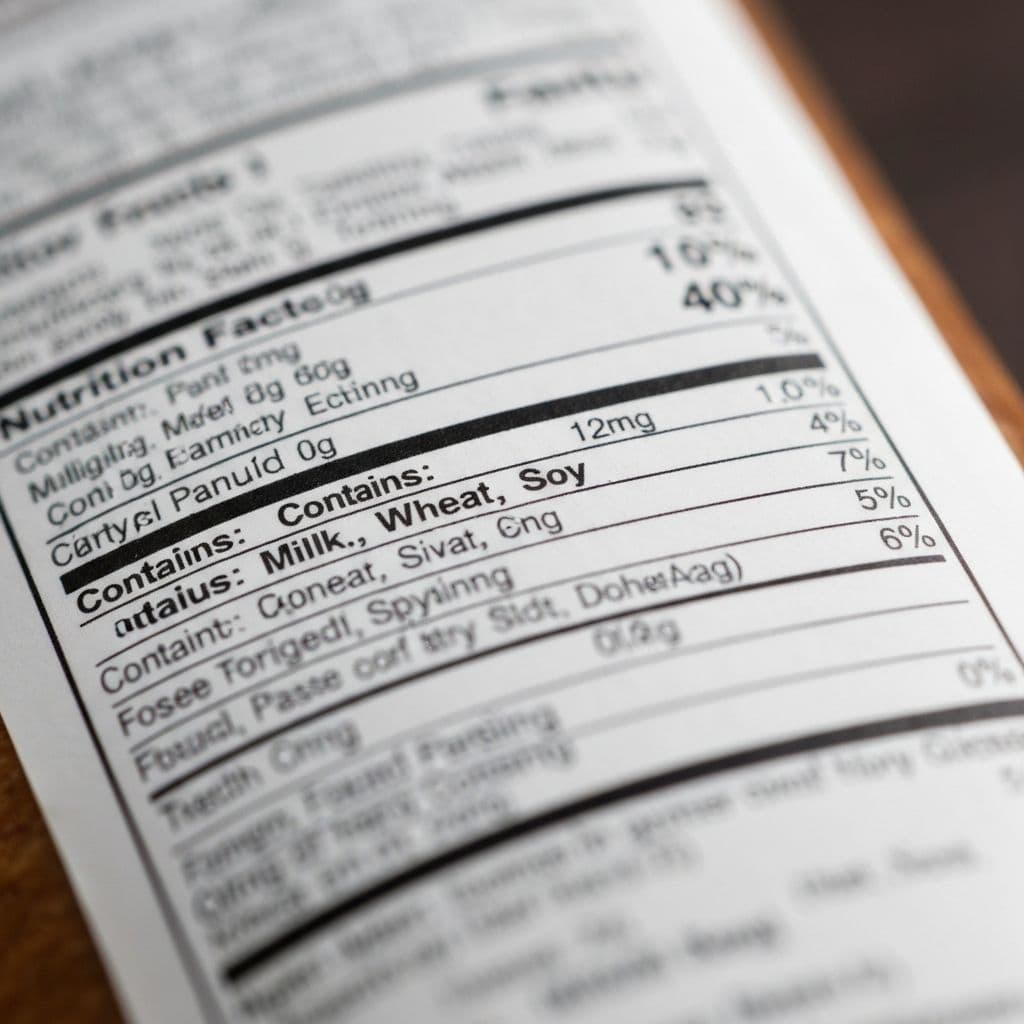
This law established the original "Big 8" allergens and mandated clear labeling on packaged foods. Labels must either list the allergen in parentheses (e.g., "whey [milk]") or include a "Contains" statement after the ingredients list.
Food Allergy Safety, Treatment, Education, and Research Act (FASTER Act) – 2023
The FASTER Act added sesame as the ninth major allergen, marking the first expansion of the mandatory list in 15 years. This law went into effect on January 1, 2023.
Quick Reference Table: The Big 9 Allergens
| Allergen | Common Sources | Prevalence | Typical Onset |
|---|---|---|---|
| Milk | Dairy products, baked goods, chocolate | 2-3% of young children | Usually childhood, often outgrown |
| Eggs | Baked goods, mayonnaise, pasta | 1-2% of children | Usually childhood, often outgrown |
| Fish | Seafood, fish sauce, Worcestershire sauce | ~1% of population | Often adult onset |
| Shellfish | Crustaceans, Asian dishes, seafood boils | ~2% of Americans | Often adult onset |
| Tree Nuts | Nuts, nut oils, pesto, baked goods | 0.5-1% of population | Usually lifelong |
| Peanuts | Peanut butter, sauces, desserts | 1-2% of children, 0.6% of adults | Usually lifelong |
| Wheat | Bread, pasta, baked goods, soy sauce | ~1% of children | Often outgrown by school age |
| Soy | Processed foods, tofu, soy sauce | 0.4% of children | Often outgrown |
| Sesame | Tahini, hummus, baked goods, oils | 0.5% of population (1.6M Americans) | Appears to be persistent |
What About Other Allergens?
While the U.S. recognizes nine major allergens, other countries have different requirements:
Canada: 11 priority allergens (adds mustard and sulfites)
European Union: 14 allergens (adds celery, lupin, mollusks, and sulfites)
Australia/New Zealand: 10 allergens (adds lupin)
Foods like corn, strawberries, chocolate, and tomatoes can cause allergic reactions but aren't among the most common or severe, which is why they're not included in the mandatory disclosure list.

Why This Matters for Food Service
For restaurants and food service operations, understanding the Big 9 is critical because:
Customer Safety
Allergic reactions can be life-threatening
Legal Liability
Failure to properly manage allergens can result in lawsuits
Emerging Regulations
States like California now require chain restaurants to disclose the Big 9 on menus
Professional Responsibility
Food handlers have an ethical duty to protect customers
The Bottom Line
There are nine major food allergens in the United States: milk, eggs, fish, shellfish, tree nuts, peanuts, wheat, soy, and sesame. These allergens must be clearly labeled on packaged foods and are increasingly required to be disclosed by restaurants.
Understanding these nine allergens isn't just about regulatory compliance—it's about protecting the millions of Americans whose lives depend on proper allergen management. Whether you're a restaurant owner, food handler, or culinary professional, thorough knowledge of the Big 9 is fundamental to safe food service.