Digital menu solutions for allergen awareness are technology platforms that display real-time allergen information to customers through interactive displays, QR codes, mobile applications, and digital menu boards. These systems enable diners to filter menu items by their specific allergies, access detailed ingredient lists instantly, and make informed ordering decisions without relying solely on server knowledge or static printed materials.
The shift from traditional paper menus to digital platforms represents more than technological modernization—it fundamentally transforms how restaurants communicate allergen information. Static menus become outdated the moment a supplier changes an ingredient or a chef modifies a recipe. Digital solutions update in real-time, ensuring customers always access current, accurate allergen data at the moment they need it.
For restaurants, digital menu solutions solve persistent challenges: reducing liability from outdated printed menus, decreasing the burden on servers answering repetitive allergen questions, and building trust with increasingly health-conscious diners. This article explores the major digital platforms available, compares their capabilities and costs, and provides guidance for selecting the right solution for your establishment.
Types of Digital Menu Solutions
QR Code Menu Systems
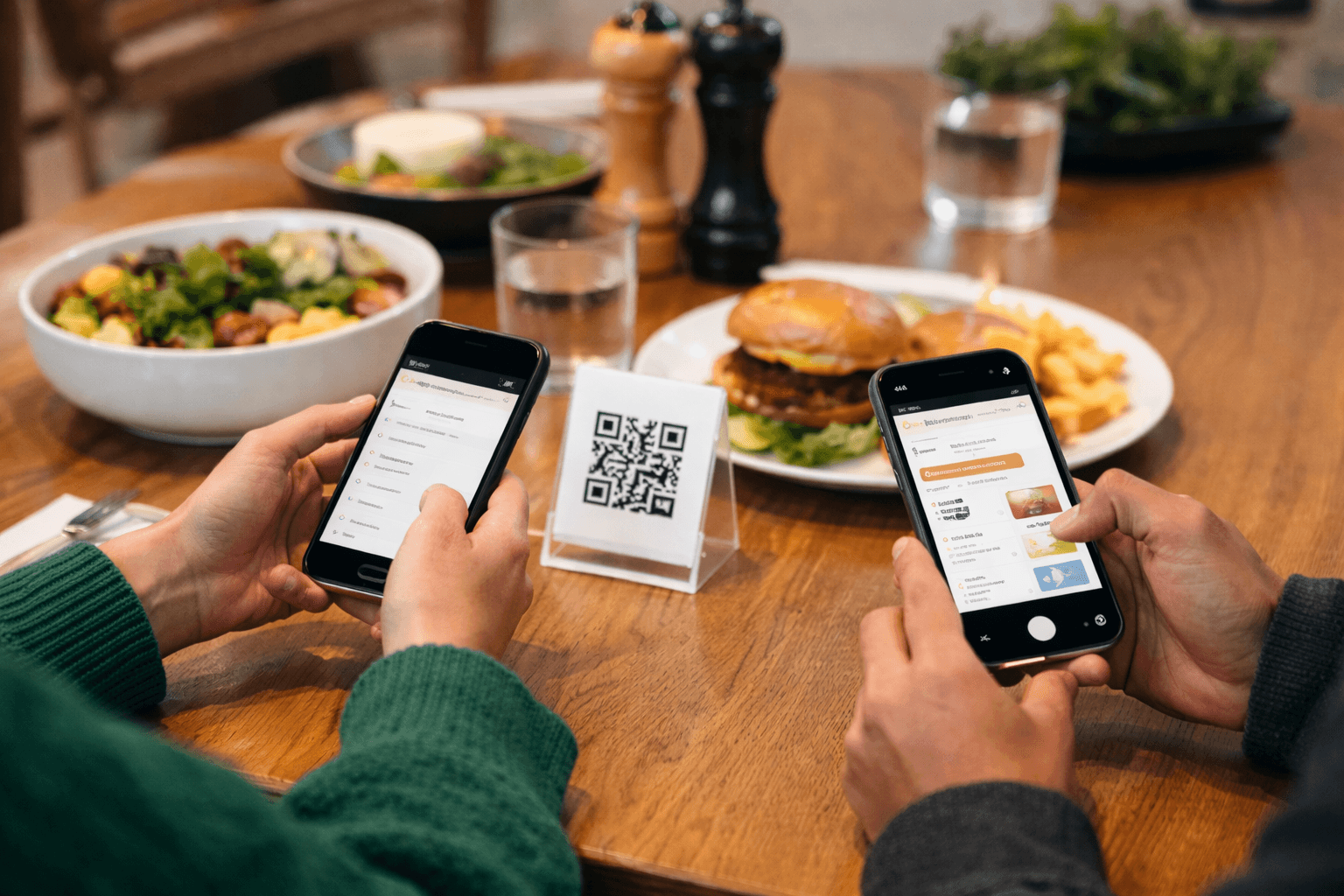
QR code menus surged in popularity during the COVID-19 pandemic and have evolved from simple digital PDFs to sophisticated platforms with allergen filtering capabilities.
How they work: Customers scan a QR code displayed on tables, receipts, or tent cards using their smartphone camera. The code directs them to a web-based menu where they can browse items, filter by allergens, and access detailed ingredient information.
Allergen features:
- Toggle switches to hide items containing specific allergens
- Color-coded allergen badges on menu items
- Detailed ingredient breakdowns for each dish
- Cross-contact warnings for shared equipment
- Direct ordering integration (in advanced systems)
Best for: Casual dining, quick-service restaurants, and any establishment wanting a low-cost entry into digital menus without hardware investment.
Cost range: $20-$150 monthly depending on features and location count.
Mobile Restaurant Applications
Branded mobile apps provide the most comprehensive digital menu experience, though they require customer download and are typically viable only for established chains with loyal customer bases.
How they work: Customers download your restaurant's app to their smartphone. The app displays your menu with built-in allergen filtering, ordering capabilities, loyalty program integration, and personalized recommendations.
Allergen features:
- Saved allergen profiles that automatically filter unsuitable items
- Customization tools for modifying dishes to avoid specific allergens
- Push notifications when allergen information changes for favorite items
- Integration with online ordering and delivery systems
- Nutritional information alongside allergen data
Best for: Restaurant chains with multiple locations, establishments with strong brand loyalty, and concepts targeting health-conscious demographics.
Cost range: $10,000-$50,000 development cost plus $500-$2,000 monthly maintenance and hosting.
Digital Menu Boards
Digital menu boards—large displays mounted behind counters or visible from dining areas—have become standard in quick-service restaurants and are expanding into full-service establishments.
How they work: High-definition screens display menu content that updates from a cloud-based content management system. Operators can change pricing, descriptions, images, and allergen information remotely and see updates appear within seconds across all locations.
Allergen features:
- Allergen icons displayed alongside menu items
- Rotating screens that alternate between standard menu and detailed allergen information
- Integration with POS systems to highlight currently available items
- Dynamic content that changes based on time of day or inventory levels
Best for: Quick-service restaurants, fast-casual concepts, food courts, and high-traffic locations where visual impact drives ordering decisions.
Cost range: $1,500-$5,000 per screen hardware cost, plus $50-$200 monthly per location for content management software.
Tabletop Tablets
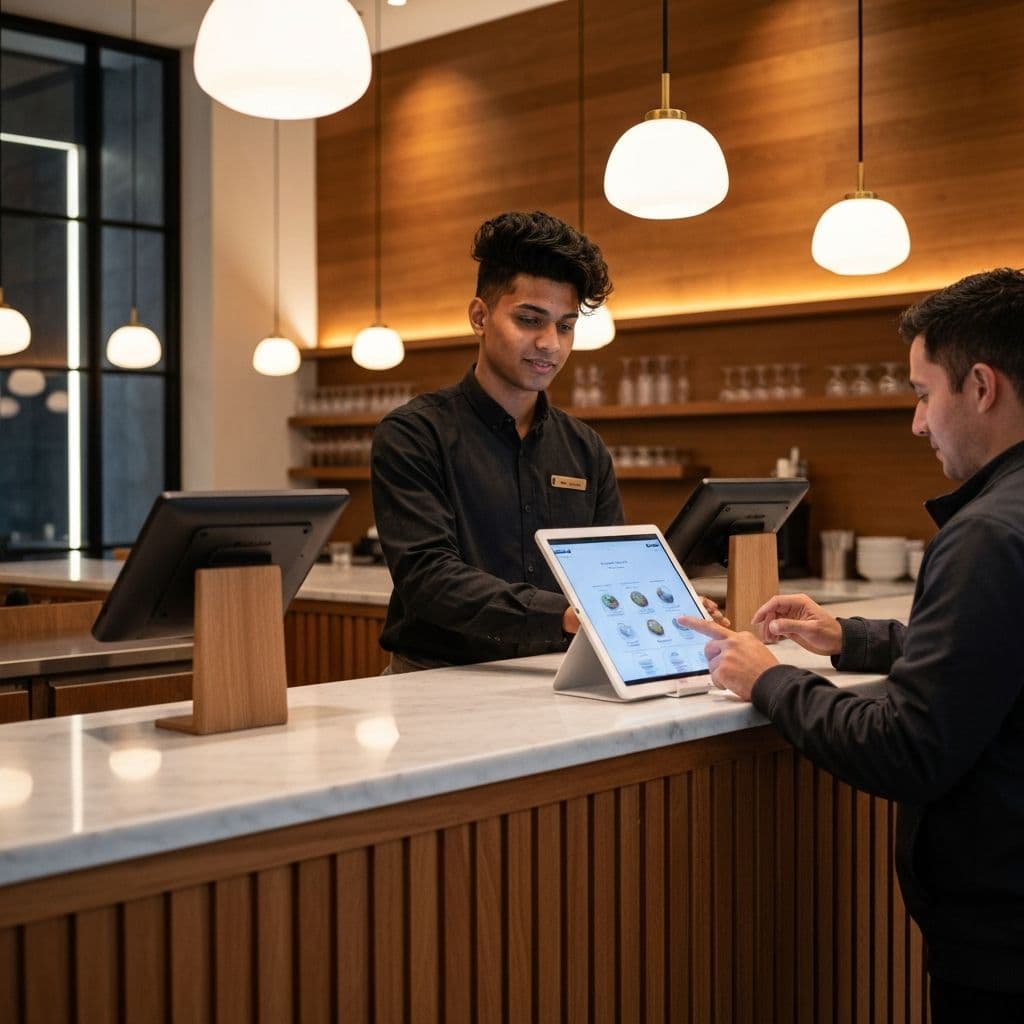
Tabletop tablets positioned at each table provide an interactive ordering experience with comprehensive allergen information built into the browsing and ordering workflow.
How they work: Tablets mounted or placed on tables allow customers to browse menus, customize orders, apply allergen filters, and submit orders directly to the kitchen—all without server interaction.
Allergen features:
- Filter menus by multiple allergens simultaneously
- Visual warnings when selecting items containing saved allergens
- Modification options to remove allergen-containing ingredients
- Detailed preparation notes about cross-contact risks
- Multilingual support for diverse customer bases
Best for: Casual dining chains, family restaurants, and establishments targeting tech-savvy demographics who value control over their ordering experience.
Cost range: $300-$800 per tablet hardware cost, plus $50-$150 monthly per location for software and support.
Website and Online Ordering Integration
Your restaurant website and online ordering system represent critical touchpoints for allergen disclosure, especially as off-premise dining continues growing.
How they work: Allergen information integrates directly into your website menu and online ordering flow, with filtering options that hide unsuitable items or flag allergen-containing dishes.
Allergen features:
- Persistent allergen filters that remain active throughout browsing session
- Allergen badges visible on menu thumbnails
- Expandable ingredient lists for each item
- Warning prompts at checkout if cart contains flagged allergens
- Saved allergen profiles for returning customers
Best for: All restaurants, especially those with significant takeout or delivery business.
Cost range: $0-$100 monthly for allergen feature add-ons to existing platforms; $200-$1,000 monthly for comprehensive solutions.
Platform Comparison: Features and Capabilities
| Platform Type | Setup Cost | Monthly Cost | Real-Time | Best For |
|---|---|---|---|---|
| QR Code Menus | $0-$500 | $20-$150 | Yes | Casual dining, quick-service |
| Mobile Apps | $10K-$50K | $500-$2,000 | Yes | Multi-location chains |
| Digital Menu Boards | $1.5K-$5K/screen | $50-$200 | Yes | Quick-service, fast-casual |
| Tabletop Tablets | $300-$800/tablet | $50-$150 | Yes | Casual dining chains |
| Website Integration | $0-$2,000 | $0-$1,000 | Yes | All restaurants |
Key Benefits of Digital Allergen Solutions
Real-Time Accuracy
The most significant advantage of digital solutions is eliminating the lag between menu changes and customer-facing information. When you modify a recipe or switch suppliers:
Traditional Approach
- Reprint menus (3-5 days)
- Update POS (manual entry)
- Train staff (ongoing)
- Hope servers remember changes
Digital Approach
- Update central database (5 minutes)
- Automatic synchronization (instant)
- Customers see current info immediately
This real-time capability dramatically reduces liability from outdated allergen information—a leading cause of allergic reaction incidents in restaurants.
Reduced Server Burden
Servers spend an estimated 15-20% of table interaction time answering food allergy and dietary restriction questions. Digital solutions shift this burden to self-service:
- Customers independently research allergen information
- Servers confirm selections rather than educating from scratch
- Staff can focus on service quality and upselling
- Table turn times improve by 5-10 minutes on average
Enhanced Customer Confidence
Digital platforms create transparency that builds trust. Customers appreciate:
- Comprehensive information access: Seeing full ingredient lists rather than relying on server knowledge
- Personal control: Filtering menus themselves rather than asking servers to identify safe options
- Visual confirmation: Clear allergen badges providing immediate reassurance
- Consistency: Identical information across all platforms and visits
Data and Analytics
Advanced digital menu solutions provide valuable insights into customer behavior:
- Which allergen filters customers use most frequently
- Menu items with highest allergen-related abandonment
- Peak times for allergen inquiries
- Geographic variations in allergy concerns
This data informs menu development, helping you create dishes that accommodate common allergies while maintaining broad appeal.
Implementation Best Practices
Integration with Existing Systems
Digital menu solutions work best when integrated with your existing technology stack:
- POS integration: Ensures menu items, pricing, and availability sync automatically
- Inventory management: Updates ingredient availability in real-time
- Online ordering: Maintains consistent allergen information across all ordering channels
- Kitchen display systems: Allergen warnings appear on kitchen screens for high-risk orders
Prioritize platforms that offer robust API connections with your current systems.
Content Management Workflow
Establish clear procedures for maintaining digital menu content:
- Single owner: Designate one person or team responsible for allergen data accuracy
- Regular audits: Review allergen information quarterly or when suppliers change
- Change protocols: Require documented approval before allergen information updates
- Emergency procedures: Enable rapid updates when allergen contamination risks arise
Customer Education
Digital solutions only work when customers know they exist and how to use them:
- Train servers to proactively mention digital allergen resources
- Display signage directing customers to QR codes or tablets
- Include instructions on table tents and receipts
- Demonstrate usage during peak dining times
Selecting the Right Solution for Your Restaurant
Consider these factors when choosing a digital menu platform:
- Restaurant type and service model: Quick-service favors digital menu boards; full-service benefits from QR codes or tablets
- Customer demographics: Tech-savvy diners embrace mobile apps; older demographics may prefer assisted digital experiences
- Budget constraints: Start with low-cost QR solutions before investing in hardware
- Existing technology: Choose platforms that integrate with your current POS and website
- Location count: Multi-location operations need centralized content management
- Growth plans: Select scalable solutions that grow with your business
Conclusion: The Digital Imperative
Digital menu solutions for allergen awareness have transitioned from competitive differentiator to operational necessity. As customer expectations for transparency increase and regulatory requirements intensify, restaurants relying solely on printed menus and server knowledge face mounting risks and inefficiencies.
The right digital platform enhances customer safety, reduces operational burden, ensures regulatory compliance, and provides data-driven insights for menu optimization. Whether you begin with a simple QR code system or invest in comprehensive tabletop tablets, moving allergen information into the digital realm protects your customers, your staff, and your business.
Next in this series: Explore how restaurant management software automates allergen identification and streamlines back-of-house operations.
Read: Restaurant Management Software for Automated Allergen Identification