Complete Guide
What Are Digital Menus?
Types, Benefits & Complete Guide for Restaurants 2025
The restaurant industry is experiencing a profound digital transformation, and at the heart of this revolution are digital menus. These interactive, technology-driven menu systems are replacing traditional paper menus across restaurants worldwide, offering unprecedented flexibility, enhanced customer experiences, and streamlined operations.
This comprehensive guide explores everything restaurant owners and managers need to know about digital menus in 2025.
Understanding Digital Menus: Definition and Core Concept
Digital menus are electronic menu systems that display food and beverage offerings through digital screens, mobile devices, or interactive platforms rather than traditional printed materials. These systems can range from simple QR code-based mobile menus to sophisticated digital signage displays and interactive kiosks.
The primary advantage of digital menus lies in their dynamic nature—they can be updated instantly, customized for different audiences, and integrated with restaurant management systems to create a seamless dining experience.
Unlike static printed menus that require costly reprinting for every change, digital menus offer real-time flexibility. Restaurant managers can adjust prices, add seasonal specials, remove out-of-stock items, and highlight promotions with just a few clicks. This agility has made digital menus an essential tool for modern restaurant operations.
The Four Main Types of Digital Menus
1. QR Code Menus
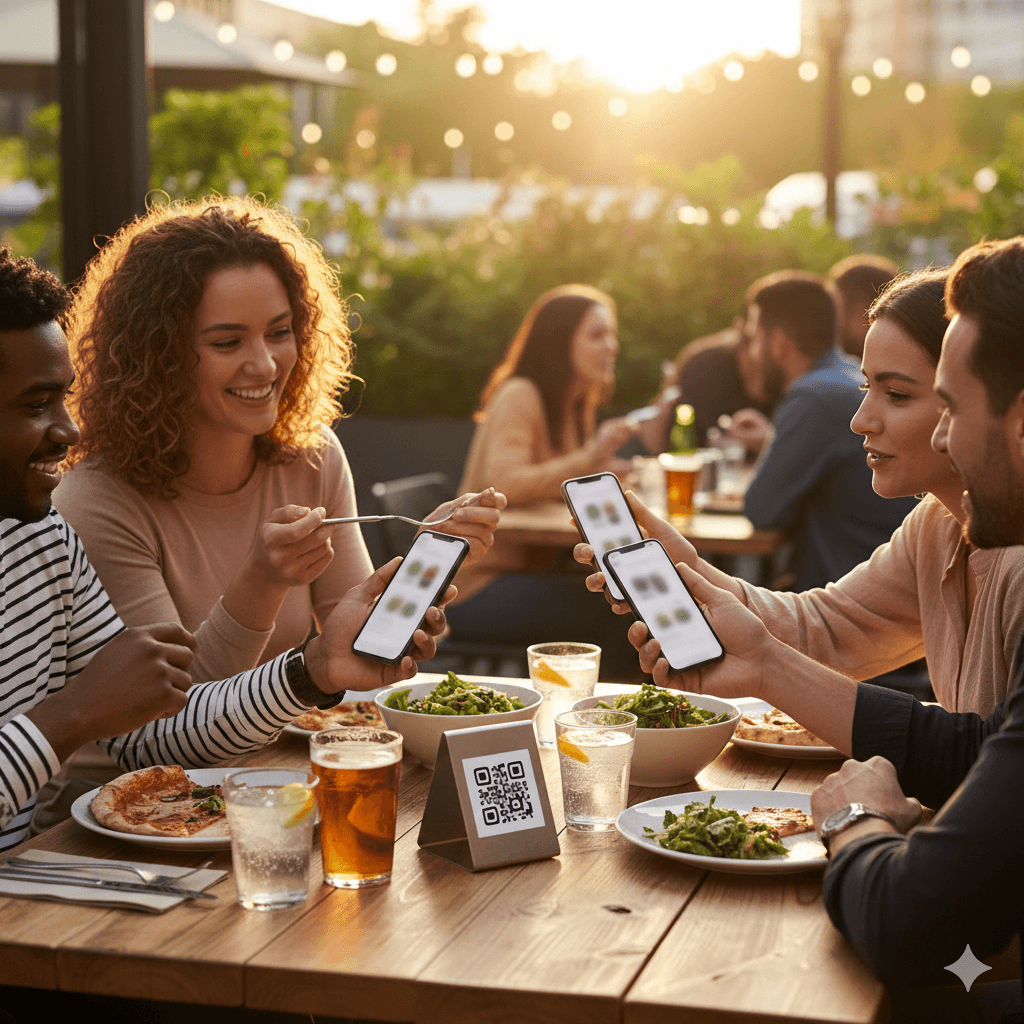
QR code menus gained massive adoption during the COVID-19 pandemic and have remained popular due to their convenience and cost-effectiveness. Customers simply scan a QR code with their smartphone camera to access the restaurant's digital menu on their personal device. This contactless solution eliminates the need for physical menus while allowing guests to browse at their own pace.
QR code menus are ideal for restaurants seeking a low-cost entry into digital menu technology. They require minimal hardware investment—just printed QR code stickers or table tents—and can be implemented quickly. However, they do rely on customers having smartphones with adequate battery life and internet connectivity.
2. Digital Menu Boards
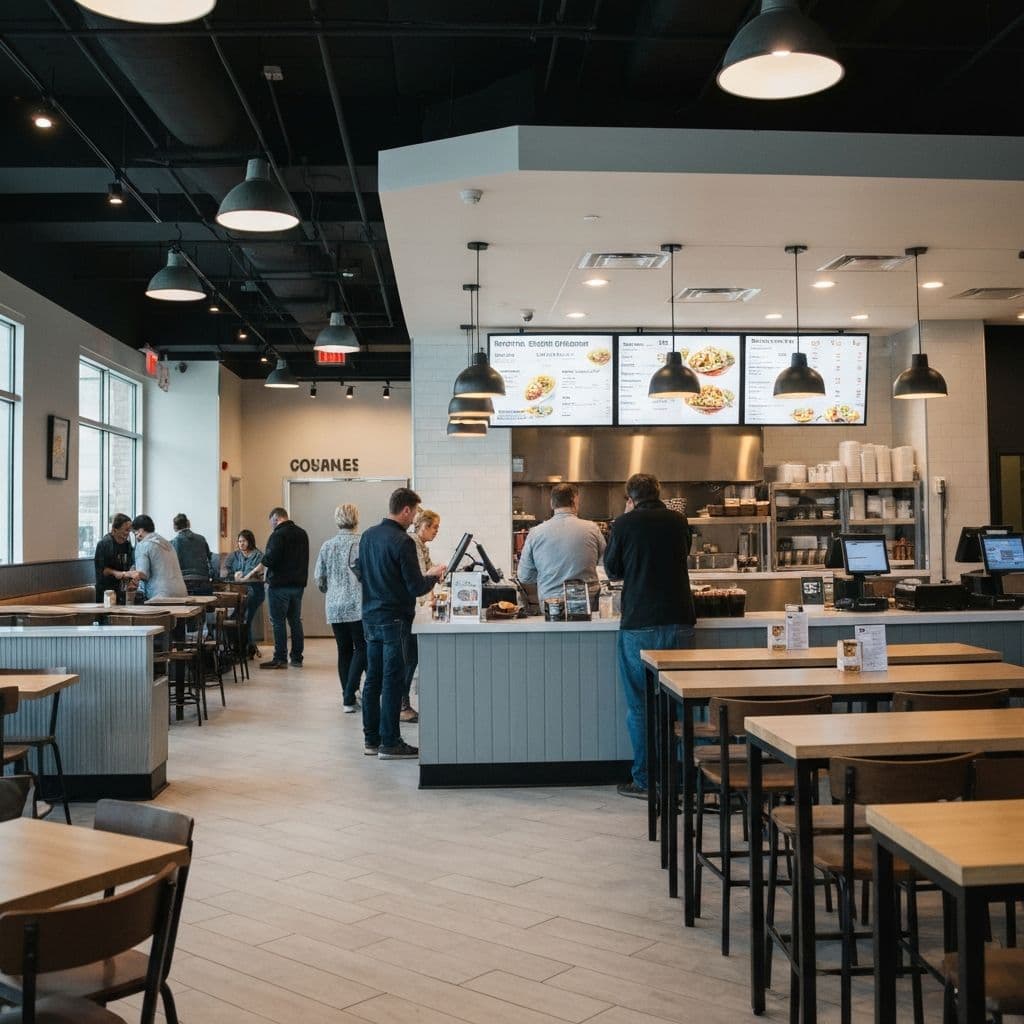
Digital menu boards are large display screens, typically mounted on walls or behind counters, that showcase menu items with high-resolution images, videos, and dynamic content. These screens are particularly popular in quick-service restaurants, fast-casual establishments, and food courts where customers order at a central location.
The visual impact of digital menu boards cannot be overstated. Motion graphics, appetizing food photography, and promotional videos capture customer attention far more effectively than static printed boards. These displays can also rotate through different content, showing breakfast menus in the morning and dinner options in the evening, or highlighting limited-time offers during specific hours.
3. Tablet Menus
Tablet menus provide guests with dedicated devices at their tables, offering an interactive browsing and ordering experience. These tablets typically feature high-quality images, detailed descriptions, filtering options for dietary preferences, and the ability to place orders directly without waiting for server assistance.
Restaurants using tablet menus report increased order values due to effective upselling features and reduced wait times as orders transmit instantly to the kitchen. The interactive nature allows customers to customize their meals, view nutritional information, and even entertain themselves while waiting for food through games or content.
4. Self-Service Kiosks
Self-service kiosks are freestanding touchscreen terminals where customers can browse menus, customize orders, and complete payments independently. These have become ubiquitous in fast-food chains like McDonald's and Panera Bread, significantly reducing queue times and labor costs while improving order accuracy.
Kiosks excel at handling high-volume operations and encouraging add-on purchases through strategic prompting. The digital interface can suggest complementary items, display limited-time offers, and remember customer preferences for loyalty program members. While the initial investment is higher than other digital menu types, the long-term operational savings and increased throughput often justify the cost.
Comparison: Choosing the Right Digital Menu Type
| Menu Type | Best For | Cost Range | Implementation Time |
|---|---|---|---|
| QR Code Menus | Full-service restaurants, cafes, bars seeking contactless solutions | $50-$300/month | 1-3 days |
| Digital Menu Boards | Quick-service, fast-casual, food courts with counter ordering | $2,000-$10,000 per screen | 1-2 weeks |
| Tablet Menus | Upscale casual, family restaurants wanting interactive table experiences | $200-$500 per tablet + software | 2-4 weeks |
| Self-Service Kiosks | High-volume fast food, airports, stadiums with long queues | $3,000-$15,000 per kiosk | 3-6 weeks |
Key Benefits of Digital Menus
Regardless of which type you choose, all digital menus offer several core advantages:
- Real-time updates: Change prices, add specials, or remove items instantly across all locations without reprinting costs
- Enhanced visual appeal: High-quality images and videos make dishes more enticing and drive higher order values
- Multilingual support: Cater to diverse customers by offering menus in multiple languages with a simple toggle
- Data collection: Track popular items, peak ordering times, and customer preferences to inform business decisions
- Reduced waste: Eliminate printing costs and reduce paper waste, supporting sustainability initiatives
- Upselling opportunities: Strategic placement of high-margin items and combo suggestions increase average check size
- Accessibility features: Adjust font sizes, provide nutritional information, and filter by dietary restrictions
Getting Started with Digital Menus in 2025
For restaurant managers considering digital menus, the path forward depends on your specific needs, budget, and operational model. Quick-service restaurants with counter ordering should prioritize digital menu boards or kiosks for maximum impact on throughput and sales. Full-service establishments might begin with QR code menus for their low cost and quick implementation, then potentially upgrade to tablets as budget allows.
The most successful implementations start with a clear understanding of customer preferences and operational goals. Conduct surveys to gauge customer comfort with technology, assess your current pain points in menu management, and calculate the potential return on investment based on reduced printing costs, increased order values, and improved efficiency.
Pro Tip: Digital menus are no longer a futuristic novelty—they are becoming the standard expectation in modern dining. By understanding the different types available and their respective strengths, restaurant operators can make informed decisions that enhance both customer satisfaction and operational performance.
The transition to digital menus represents not just a technological upgrade, but a fundamental shift in how restaurants communicate with and serve their guests in 2025 and beyond.
Elevate your business with Foodini. Get in touch.
Join our Partner Network