In an era where customers expect Netflix-style personalization in every aspect of their lives, restaurants are leveraging artificial intelligence and digital menu technology to deliver tailored dining experiences that drive loyalty and repeat visits.
This article explores how sophisticated personalization algorithms, dietary filtering systems, and multilingual support are transforming digital menus from simple ordering tools into powerful customer retention engines.
The Personalization Revolution in Restaurant Technology
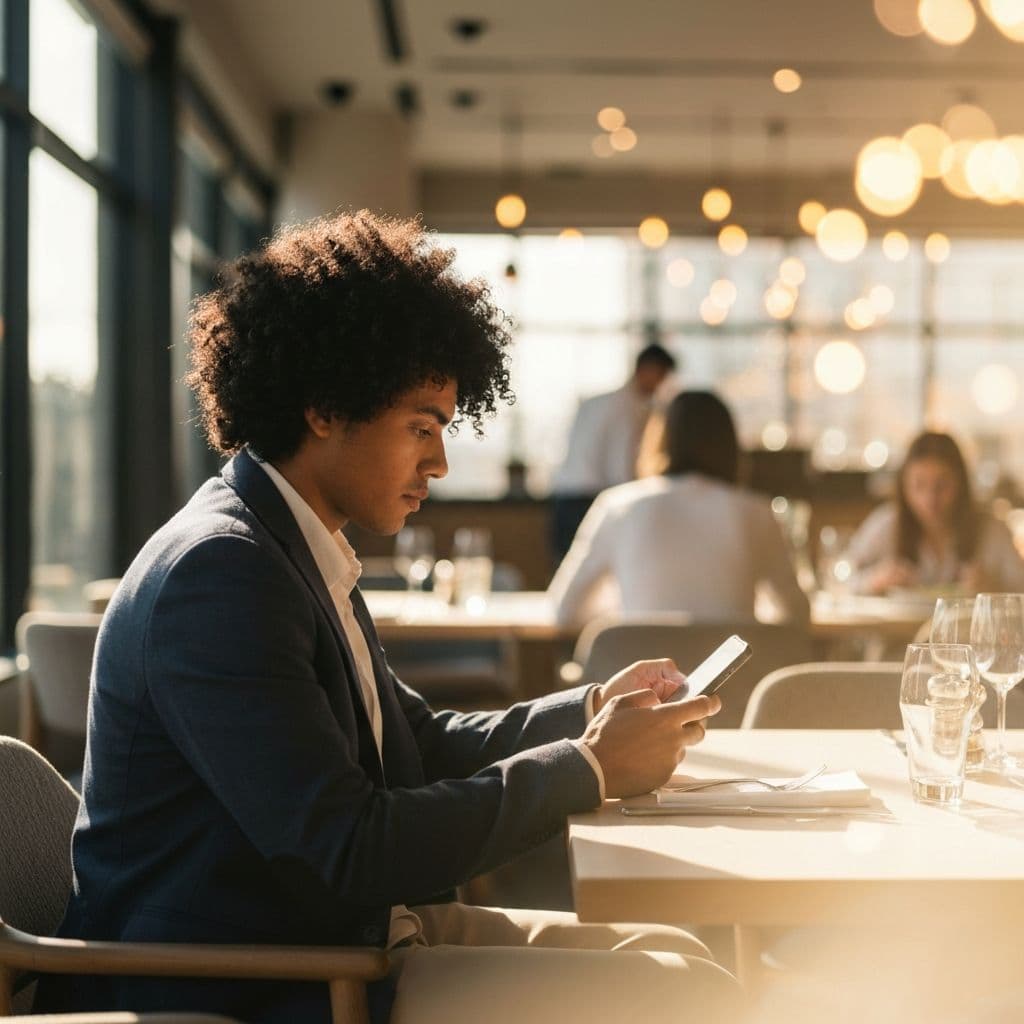
Traditional restaurant service has always aspired to personalization—the server who remembers your usual order, the barista who knows your coffee preference. Digital menus powered by AI are scaling this intimate, personalized service to every customer interaction, regardless of staff familiarity or memory limitations.
Modern digital menu platforms use machine learning algorithms to analyze order history, browsing behavior, dietary preferences, and even time-of-day patterns to create individualized menu experiences. The result is remarkable: customers see menu recommendations tailored specifically to their tastes, increasing both satisfaction and order values.
How AI-Powered Menu Recommendations Work
AI recommendation systems in digital menus operate through several sophisticated mechanisms that track and respond to customer behavior:
Collaborative Filtering
This approach analyzes patterns across thousands of customer orders to identify correlations. If customers who order item A frequently also order item B, the system will recommend item B to new customers selecting item A. Starbucks uses this technique extensively in their mobile app, achieving 30% higher acceptance rates on personalized suggestions compared to generic promotions.
The power of collaborative filtering lies in discovering non-obvious connections. For example, a coffee shop might discover that customers ordering oat milk lattes between 2-4 PM have a 40% likelihood of adding a protein box, enabling targeted afternoon snack suggestions.
Order History Analysis
For returning customers with loyalty accounts, AI systems analyze past orders to predict preferences. If a customer consistently orders vegetarian items, removes onions from sandwiches, or adds extra cheese, the digital menu learns these patterns and adjusts future recommendations accordingly.
Chipotle's digital ordering platform uses order history to streamline the customization process, pre-filling common modifications and suggesting complementary items based on previous choices. This reduces ordering friction while increasing average ticket size by 12-18% among registered users.
Real-Time Contextual Adaptation
Advanced AI systems adjust recommendations based on contextual factors like weather, time of day, day of week, and local events. A pizza restaurant's digital menu might promote hearty soups on cold rainy days, light salads during summer heat waves, or party-size options on weekends during football season.
This dynamic personalization has proven remarkably effective. Domino's reported that weather-responsive menu promotions increased conversion rates by 23% compared to static offerings, demonstrating how contextual AI creates more relevant customer experiences.
Customer Persona Examples: Personalization in Action
To illustrate how digital menu personalization works in practice, consider these real-world customer scenarios:
Sarah, Health-Conscious Fitness Enthusiast
Sarah opens her favorite fast-casual restaurant's app after her morning workout. The AI recognizes her typical ordering pattern—high-protein bowls with extra vegetables, no rice, light dressing. Her personalized menu prominently displays new protein options, highlights calorie counts, and suggests a post-workout smoothie she's never tried but aligns with her preferences.
Result: Sarah feels understood and valued, increasing her visit frequency from twice monthly to twice weekly.
Marcus, Vegetarian Convenience Seeker
Marcus's digital menu remembers his vegetarian diet restriction set in his profile. Rather than scrolling through meat-heavy options, his personalized view automatically highlights vegetarian items, marks plant-based alternatives, and filters out incompatible choices. The AI notices he orders veggie burgers 80% of the time and suggests new plant-based menu additions first.
Result: Marcus saves time, discovers new items he'll actually enjoy, and feels the restaurant caters specifically to his dietary needs.
Lisa, Family Meal Planner
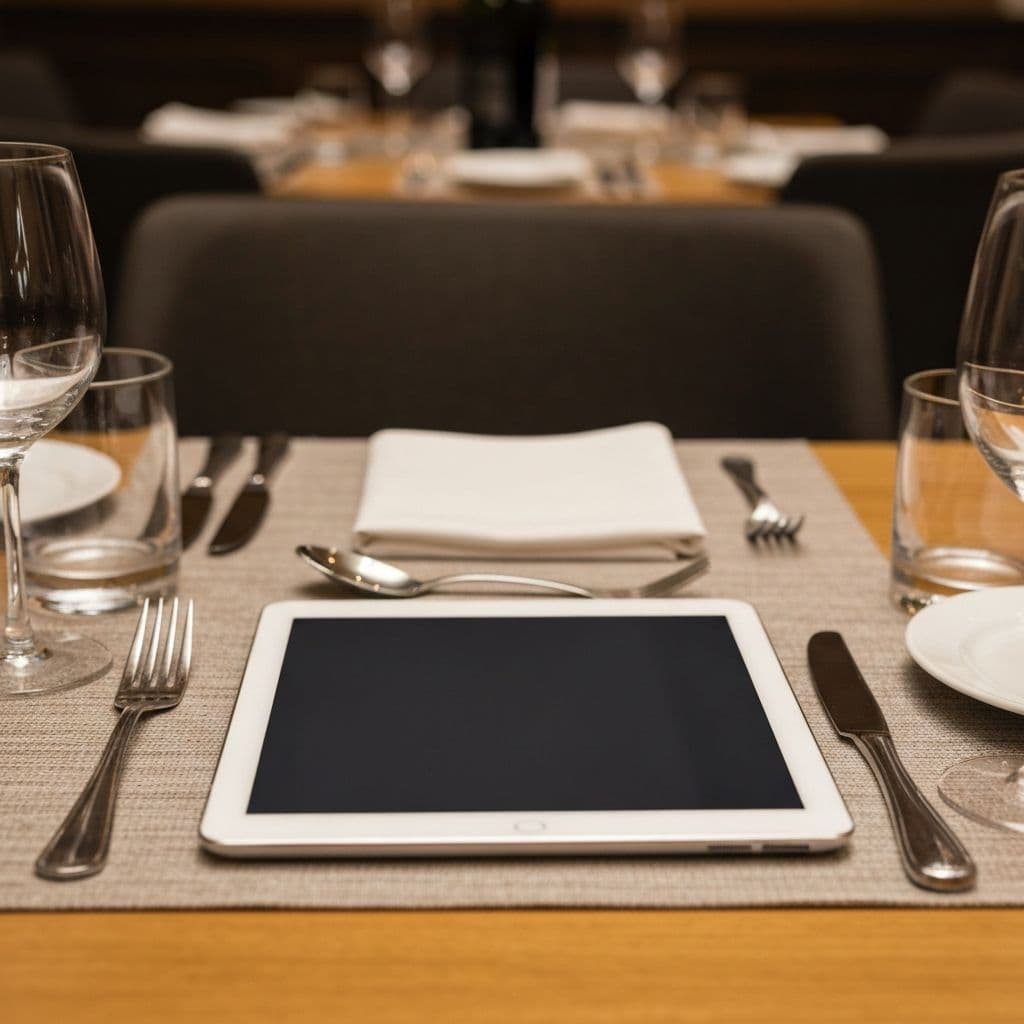
Lisa typically orders through the tablet menu at her family's favorite casual restaurant. The AI recognizes her pattern of ordering kids' meals, sharing appetizers, and selecting varied main courses to accommodate different family preferences. When she arrives, her personalized menu highlights family-style portions, suggests kid-friendly options automatically, and remembers that her youngest has a dairy allergy, filtering or flagging problematic items.
Result: Less stress for Lisa, higher check averages for the restaurant, and a loyal family customer.
Dietary Filtering and Allergen Management
One of the most impactful personalization features in modern digital menus is sophisticated dietary filtering. Approximately 30% of diners have specific dietary restrictions, allergies, or preferences that significantly influence their ordering decisions. Digital menus transform this challenge into an opportunity for personalized service.
Advanced filtering systems allow customers to:
- 1Select multiple dietary preferences simultaneously (vegetarian + gluten-free + nut allergy)
- 2View comprehensive allergen information with clear warnings and alternative suggestions
- 3Filter menus by nutritional criteria (low-carb, high-protein, under 500 calories)
- 4Save preference profiles for faster ordering on return visits
- 5Receive automatic notifications when new menu items match their dietary parameters
Restaurants implementing comprehensive dietary filtering report remarkable customer satisfaction improvements. One fast-casual chain found that customers using dietary filters had 45% higher loyalty program retention and visited 2.3 times more frequently than non-filtered users, demonstrating how personalization creates emotional connections beyond mere convenience.
Multilingual Personalization: Speaking Your Customer's Language
Language barriers often create uncomfortable dining experiences, particularly in tourist areas or multicultural neighborhoods. Digital menus eliminate this friction through intelligent multilingual support that goes beyond simple translation.
Modern systems detect device language settings, remember user language preferences, and can even adapt menu descriptions to cultural contexts. A sushi restaurant's digital menu might use Japanese terminology with detailed explanations for Western audiences while presenting traditional names to Japanese speakers without unnecessary annotation.
Beyond Translation: Cultural Menu Adaptation
Sophisticated digital menu platforms adapt more than just language—they personalize based on cultural food preferences and expectations. This includes:
- Adjusting spice level descriptions based on regional tolerances
- Highlighting familiar flavor profiles for different cultural backgrounds
- Providing context for unfamiliar dishes using culturally relevant comparisons
- Adapting imagery and presentation style to match cultural aesthetic preferences
Restaurants in international airports using culturally adaptive digital menus report 40% higher satisfaction scores from foreign visitors compared to static English-only menus.
Measuring Personalization Impact: Before and After Data
| Metric | Before Personalization | After Personalization |
|---|---|---|
| Customer Visit Frequency | 2.1 visits/month | 3.4 visits/month (+62%) |
| Average Order Value | $18.50 | $23.75 (+28%) |
| Recommendation Acceptance | 14% | 38% (+171%) |
| Customer Satisfaction Score | 7.8/10 | 9.1/10 (+17%) |
| 90-Day Retention Rate | 42% | 67% (+60%) |
Data aggregated from 150+ restaurant locations implementing AI-powered personalization across 12 months
Privacy Considerations and Customer Trust
While personalization delivers remarkable benefits, restaurants must balance customization with privacy concerns. Customers appreciate relevant recommendations but can feel uncomfortable with overly invasive tracking or data usage.
Best practices for ethical personalization include:
- Transparent data usage policies explaining what information is collected and how it's used
- Easy opt-out options for customers who prefer non-personalized experiences
- Clear value exchange—customers should understand how sharing preferences improves their experience
- Data minimization—collecting only information necessary for meaningful personalization
- Secure storage and handling of customer information with regular security audits
Implementing Personalization: Practical Steps for Restaurants
For restaurant operators looking to leverage personalization, the implementation path involves several key stages:
- Start with loyalty program integration — Connect digital menus with existing loyalty accounts to enable order history tracking and basic recommendations.
- Implement dietary filtering first — This high-value, low-complexity feature delivers immediate customer satisfaction improvements.
- Add multilingual support — Especially critical in diverse markets or tourist destinations where language barriers limit sales.
- Deploy collaborative filtering — As order data accumulates, introduce AI recommendations based on customer patterns.
- Refine with contextual AI — Add weather-responsive, time-based, and event-driven personalization for maximum relevance.
The Future of Personalized Digital Menus
Looking ahead, personalization will become even more sophisticated. Emerging technologies include:
Predictive Ordering
Anticipates customer needs before they browse the menu
Voice-Activated Personalization
Allows customers to search menus using natural language
Emotional AI
Detects customer mood and adjusts recommendations accordingly
AR Menu Visualization
Shows personalized plating and portion sizes in augmented reality
The restaurants thriving in this personalized future will be those that embrace technology not as a replacement for hospitality, but as an amplification of it—using AI to deliver the kind of attentive, individualized service that makes every customer feel like a regular, regardless of how often they actually visit.